Critter behavior changes with the seasons, and so should your wildlife prevention strategies. From squirrels to raccoons, here are our top professional insights to prepare your home for wildlife prevention as the seasons change.
Seasonal Wildlife Habits
Wildlife looking for a warm place to build a nest and take a long winter’s nap can easily find their way into your attic, walls, or crawl space. Not only do these critters carry diseases like salmonella, tuberculosis, and Lyme disease into your home, but they also can cause a lot of damage to insulation, electrical wiring, and wooden beams if allowed to make themselves at home.
In the summertime, you’re more likely to find wildlife foraging for food around your trash cans or in your kitchen than taking a nap in your attic. Spring and summer are also when many wildlife have little ones, which leads them to prioritize foraging to keep their babies fed.
Here is what you can expect from Kansas City’s Most Unwanted Wildlife during the changing months:
Mice and Rats
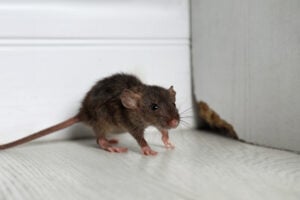
Rodents are what you’re most likely to find in your home in the winter. They may chew on electrical wiring to sharpen their teeth and shred insulation to build warm, cozy nests. You’re most likely to find them in your attic, walls, or in the garage, where they may crawl up into your car for warmth.
When the weather turns warm, any rodents hiding out in your attic may suddenly show up in your kitchen as they search for something to nibble on other than your wiring. This may mean you’ve had an infestation for longer than you realize, making it worth checking your attic for signs of a rodent infestation.
Squirrels
Squirrels are nearly as prone to invading attics and walls as rodents, and carry many diseases that can be transmitted through their feces and urine. Squirrels are notorious for storing up large quantities of nuts or acorns in preparation for winter, and they may find your walls the perfect place to do so. There have been cases of homeowners discovering hundreds of pounds of acorns stuffed into their walls by these little hoarders!
Bats
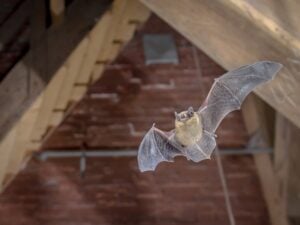
Bats help control insect populations, but it’s better to have them do their work outdoors and discourage them from leaving guano (bat droppings) in your house, which presents numerous health risks and damage to your home.
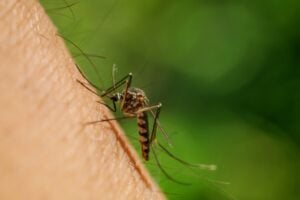
If you’re seeing a lot of bats flying around outside your home during the summer, this can actually be a sign of possible insect infestations (though it may just mean you have a lot of mosquitoes in your yard, which we can help with!) Be wary that they aren’t too close to home when the weather takes a turn for the worse, or those same helpful hunters may end up seeking shelter in your attic.
Raccoons
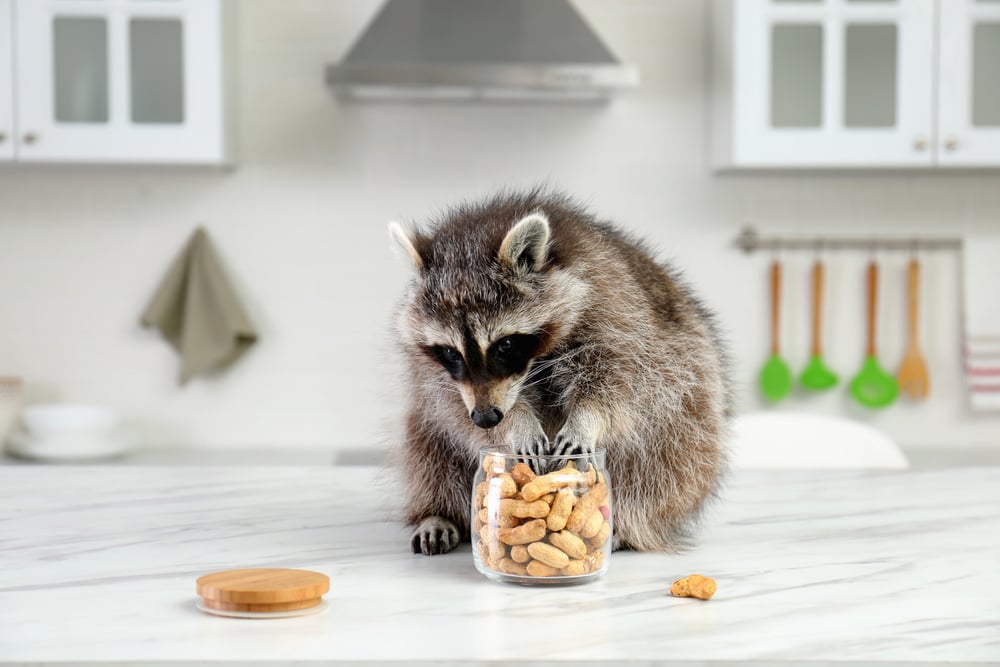
Raccoons don’t hibernate, but tend to be more dormant in the winter and store up on food. If you see a raccoon in or around your home during the winter, keep in mind that they tend to be more aggressive in the colder months because of the scarcity of food. Don’t try to get close—contact a professional wildlife removal company immediately! During the summer months, raccoons are a bit more relaxed, but you still should never approach one—even if it’s time to take the cans to the curb and you have a raccoon standing guard. Since they’re nocturnal, you can usually avoid raccoons by not doing these chores after dark.
Opossums
Opossums are similar to raccoons in that they are also nocturnal, have nasty tempers, and are more active in the spring and summer months while breeding. These critters get the midnight munchies for just about anything, especially gardens, compost bins, and trash. You may see them a bit in the daytime when food sources grow scarce during the fall and winter, so steer clear!
Fall and Winter Wildlife Prevention in Kansas City
Baby, it’s cold outside — and the critters feel it too! As temperatures drop, wild animals will search for shelter to keep warm and cozy for a long winter’s nap. Bears may hibernate, but smaller wildlife remain active as mice, squirrels, bats, and more forage and hunt for potential places to settle in. Even slightly larger animals like raccoons could find their way into unprotected attics in search of relief from the cold.
Here are some wildlife prevention tips for the fall and winter months to keep the critters at bay:
- Seal up potential entry points like gaps around windows and doors, foundation cracks, and openings around utility pipes.
- Inspect other entry points for signs of wildlife activity, such as chimneys and vents. Consider installing mesh grates or steel wool over these openings.
- Trim trees and foliage back from your roof and siding to discourage animals from traveling to your house.
- Keep your attic properly dry and ventilated. Moisture attracts all kinds of pests, including wildlife!
- Lock garbage bins, close your garage, and use compost bins with tightly sealing lids.
- Practice good summer wildlife prevention to keep wildlife from seeing your home as a potential safe place to spend the winter.
Spring and Summer Wildlife Prevention in Kansas City
School’s out for the summer, and so is the wildlife! As spring flowers bloom, Kansas City’s critters are embracing the warm weather by procreating, leading to a whole new population of household pests for the next cold season. Yikes!
Here are a few wildlife prevention tips to keep your summer days breezy and pest-free:
- Keep food stored in tightly sealed plastic or glass containers. That includes pet food!
- Take care of other pest problems to eliminate that food source for bug lovers (we’re looking at you, bats).
- Maintain your yard and gardens, reducing possible food sources and hiding spots.
- Clean your gutters of any clogs that may lead to stagnant water.
As the Seasons Change, So Should Your Wildlife Prevention!
Pest control comes in seasons and cycles. There’s always a new creepy crawly or calamitous critter looking for something to eat or someplace to sleep. Don’t wait for a new pest to discover that one entry point you missed! Contact Advantage Termite and Pest Control to learn about our year-round pest management programs. Call us at first sight – we do it right!