While pests like rodents or spiders can be harmful to your household, seemingly harmless insects can still be a nuisance. Cluster flies and ladybugs are both nonaggressive, nondamaging insects that can invade homes in large numbers in the fall and be difficult to get rid of.
While cluster flies and ladybugs may be harmless, you still don’t want them in your home. Here’s what you need to know about these docile insects and what to do if you have an infestation.
All About Cluster Flies and Ladybugs
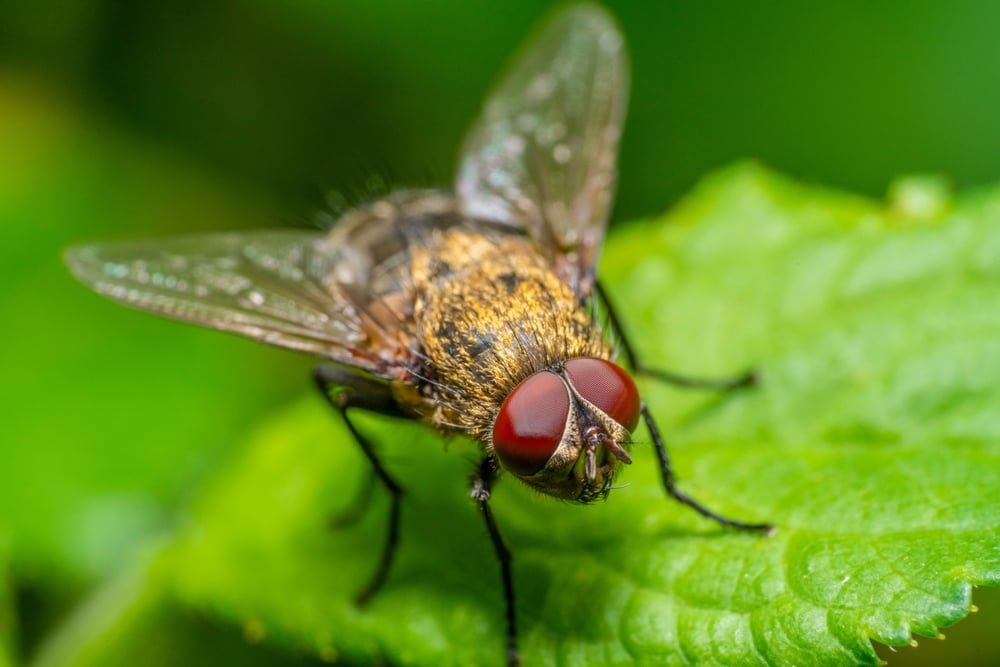
Cluster flies and ladybugs differ greatly in appearance: cluster flies resemble larger houseflies, while ladybugs have their signature red or orange shells with black dots. Despite their unique physical traits, both insects share similar seasonal swarming and hibernation patterns.
Cluster Flies
Also known as “attic flies” due to their penchant for hiding in walls and attics in large numbers, cluster flies are attracted to warm, sunny windowsills in the fall. These cluster flies find their way indoors for warmth before the winter chill strikes.
When false spring hits and Kansas City has an unexpectedly warm day in the late winter, cluster flies will start coming out of hiding to congregate around sunny windows, with more appearing every day until the winter chill sets in again. Because of this, homeowners often assume cluster flies are breeding and multiplying inside their home.
Fortunately, cluster flies don’t actually breed indoors at all. They lay their eggs outdoors in worm burrows, where larvae consume earthworms for sustenance as they grow to adulthood. Once inside a home, cluster flies do not breed. The gradual emergence in warm weather consists of cluster flies that may have already been hiding in your home for months.
Ladybugs
What we think of as ladybugs in Kansas City are actually Asian lady beetles. These harmless insects also do not lay their eggs indoors, because the larvae wouldn’t have the food they need to thrive.
Lady beetles lay their eggs on plants, where their larvae can feast on aphids and other small garden insects. This actually makes them very beneficial for outdoor spaces, but their habit of venturing indoors in the fall and winter makes them less appealing.
Why Cluster Flies and Ladybugs Appear in Large Numbers
Cluster flies and ladybugs habitually swarm in large numbers in the late summer and early fall, gathering on warm siding and windowsills as they seek a way indoors. When they find a safe place to overwinter, these insects release pheromones that guide their kin along the same path to shelter.
“Overwintering” is similar to hibernation. Cluster flies and ladybugs slow down significantly and stay mostly hidden in walls or other undisturbed areas of the home. They enter a state known as diapause, where they don’t mate, reproduce, or require sustenance to stay alive.
If you notice an infestation during false spring that goes away when it gets cold again, that usually doesn’t mean the infestation is gone. They’ve likely hidden away from sight again to resume diapause until the weather warms up permanently.
What Attracts Cluster Flies and Ladybugs to Your Home
Repeat outbreaks of cluster flies or ladybugs can be frustrating. Here’s what may be keeping them coming back to your home every fall:
- Easy access: Tears in screen doors or window screens and gaps around windows are the most common entry points for these pests, especially on particularly sunny sides of your home.
- Warmth: As temperatures drop, any heat leaking from your home may draw ladybugs and cluster flies to try and find a way inside.
- Light colors: Cluster flies or ladybugs are most likely to be found on the side of white or light-colored buildings — again, especially areas in direct sunlight.
How Professional Pest Control Prevents Seasonal Surprise Swarms
Trying to manage cluster fly or ladybug infestations on your own won’t risk bodily harm or damage to your home, but it can still be unpleasant and is almost always ineffective. Both of these insects release foul odors—not as bad as stink bugs, but still unpleasant—when squished or if they feel threatened. Infestations should be handled professionally to avoid this.
At Advantage Termite and Pest Control, we combine effective prevention techniques with infestation treatments targeted at the exact type of infestation you’re facing. Exterior treatments in late summer can help protect your home from more cluster flies or ladybugs getting inside, interrupting existing pheromone trails. Our highly trained pest control technicians can inspect your property for vulnerable areas and recommend methods to seal up any entry points.
Protecting Your Home from Both Harmless and Hazardous
If you already have an infestation of cluster flies or ladybugs in your Kansas City home, Advantage Termite and Pest Control can target treatments at areas you won’t be able to reach on your own or wouldn’t know to check. Don’t deal with pest infestations alone — even the harmless ones! Contact us for a free inspection and estimate. Call us at first sight — we do it right!