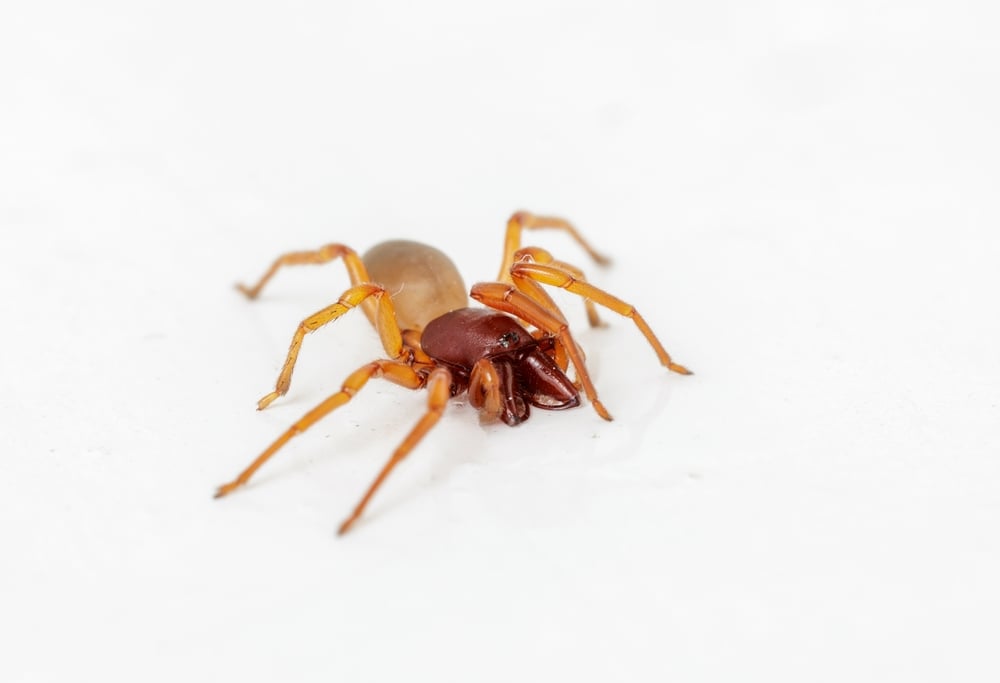
Brown recluse spiders are among the most dangerous arachnid species in Kansas City. Though their bites aren’t fatal, recovery and healing can take time, and brown recluse bites often require hospitalization. Beyond their bites, the presence of brown recluses in your home can also point to other pest issues. Let’s take a look at what brown recluse spider sightings may mean, and why professional treatment is the ultimate solution.
Why Spring and Summer Are High-Risk Seasons for Brown Recluse Spiders
Spiders of all kinds are resilient and can be found in homes year-round. But brown recluse spiders tend to be seen more frequently in spring and summer, in part because it’s mating season. The brown recluse spider ventures out in search of a mate from April through July, then lays eggs that will hatch in the late summer or early fall.
Another reason spring and summer in Kansas City pose a higher risk of encountering a brown recluse spider is that its prey thrive in warm weather. The majority of pests tend to surge in spring, giving the brown recluse plenty of food sources. Spiders like the brown recluse may still be seen in the winter if their prey is around in large enough numbers to attract them. However, brown recluse spiders in particular can go several months without eating, so they tend to lie dormant in cold weather.
What Brown Recluse Spider Sightings May Indicate
After identifying the presence of a brown recluse spider in your home, it’s important to understand the implications. A single brown recluse may not be cause for immediate concern, as this species prefers to keep to itself and won’t cause harm unless it feels threatened. But it can indicate a few possible underlying issues:
Searching for Prey Insects
The most likely reason behind brown recluse spiders in your Kansas City home is prey nearby, which may indicate a different pest infestation in or near your home. Brown recluse spiders will eat dead or living insects, but prefer to hunt living prey, including:
Like other spiders, brown recluse spiders create nests. But unlike most spiders, brown recluses use their webs as a home base or shelter, not for hunting. Their webs are not the standard, organized, sticky webs used by other spiders to trap their prey. Instead, brown recluses construct irregular, messy, small webs in dark, quiet areas in which they hide, lay eggs, and rest during the day. to hide, rest, and lay eggs during the day. Brown recluses usually hunt at night.
Mating Season
The main reason a brown recluse spider will move away from their established web, also referred to as a “retreat” or “harborage,” is to find a mate. If two of these spiders mate in your home, this may lead to a brown recluse infestation.
A female brown recluse lays around fifty eggs in a silken sac and may produce multiple sacs in one summer. This can lead to as many as 300 eggs, which will hatch within a month.
Brown recluses mature more slowly than many other spiders, taking about a year to reach adulthood and leave their retreat to make their own harborage. So Kansas City homeowners must take the presence of even a single brown recluse seriously. If one brown recluse is reproducing, a large spider infestation may be in your future.
Harborage
Brown recluse spiders prefer to establish themselves near a food source. As the name suggests, they are reclusive creatures that prefer to remain isolated. If you see a brown recluse spider inside your home, their harborage is likely somewhere close by.
Brown recluse retreats tend to be located in dark, dry places that aren’t disturbed often. Some places a brown recluse will find attractive for harborage include:
- Attics
- Closets
- Behind furniture
- Inside cardboard boxes
- Exterior structures like sheds, barns, or garages
- Logs and woodpiles
- Infrequently-used shoes or clothing
One of the best ways to prevent spiders from seeking shelter in your home is to remove these harborage spots or clean them regularly.
How Professional Spider Control and Inspections Reduce Risk
Despite their solitary nature, brown recluse spiders can still be dangerous if they feel threatened or provoked. Professional spider control with Advantage Termite and Pest Control keeps you and your family safe by taking care of any spiders present in your home and using treatment and prevention techniques that will reduce the risk of brown recluses seeking shelter in the future. We also remove any other infestations that may provide a food source for brown recluse spiders and help identify any risk factors that could lead to additional pest problems.
Through our pest management program, you can rest easy knowing that professionals are regularly inspecting your home for potential risks and managing infestations before they can escalate. If you need spider control in Kansas City, contact Advantage Termite and Pest Control to learn more about our programs. Call us at first sight – we do it right!