Fleas are a common pest in Kansas City, especially during the warmer, more humid spring and summer months. Pet owners should be very familiar with the threat of flea infestations, but they may not realize how easily fleas can persist beyond the pet. The root of this persistence lies in the flea life cycle and the habits that keep their populations strong despite thorough pet treatments.
But flea infestations can even happen in homes without pets! So it’s important to understand how these infestations occur, and why it’s important to call the pros at the first sign. Let’s explore why flea infestations in the home are best handled by the pros.
What Attracts Fleas to Pets?
Fleas are natural parasites of pets, drawn to them as a blood source and a place to shelter. At a distance, fleas can sense the carbon dioxide pets exhale and will jump onto animals that come close enough. Once a flea has chosen its host, it will quickly begin laying eggs and spreading across the landscape the pet provides.
While fleas may bite humans, they are unlikely to choose humans as hosts because humans lack fur or feathers. Fleas require a safe space to lay their eggs and continue their life cycle, and the thick fur of dogs and cats provides a prime breeding ground.
But it’s important to note that you don’t have to own pets to have fleas! Fleas can infest homes without pets as well, either through wildlife or from the pets of prior homeowners, but they are far more likely to persist if an animal is regularly present in the home.
Why Fleas Persist Beyond Pet Treatments
Flea infestations are notoriously difficult to eradicate fully, in large part because of their life cycle. Treating your pet may eliminate most of the adult fleas and some eggs, but it won’t address eggs, larvae, or pupae that have fallen off into the surrounding environment. Here is how fleas can survive without a host at each stage of their life cycle:
- Eggs: Before they hatch, fleas need relatively warm, humid environments to keep from drying out, but they can survive in temperatures as low as 50. They can hatch in anywhere from one to 10 days, giving plenty of time for a false sense of security that an infestation is over when it has only just begun.
- Larvae: In the larval stage, fleas don’t yet need to feed directly on a host. Instead, they get their sustenance from the feces of adult fleas (“flea dirt”), which contains the blood and other nutrients they need to thrive. This stage typically lasts one to three weeks, during which larvae won’t venture very far from their hatching site.
- Pupae: Fleas enter a dormant stage where they form a cocoon to grow into adults and can remain in this state for as little as a week or as long as nine months. If conditions aren’t ideal, fleas will stay dormant until they detect the warmth, movement, and carbon dioxide of a potential host.
- Adults: Often the only stage in which homeowners notice a flea problem, adult fleas seek out a host to feed on blood, reproduce, and start the life cycle again with a new clutch of eggs. Female adult fleas can lay up to 2,000 eggs in their lifetime.
Because fleas go through two dormant stages and are so small throughout their life cycle, flea management is nearly impossible without professional help. An over-the-counter flea shampoo may provide your pet with temporary relief, but any fleas in the first three stages of the life cycle are mere days from seeking a host.
Warning Signs of a Flea Infestation
While a single instance of fleas on your dog or cat may not indicate a larger problem, it is never a bad idea to seek proper treatment and ensure the fleas haven’t established in your home or yard. You may have an ongoing, persistent flea infestation if you notice any of the following signs:
- Bites on Humans: Flea bites on humans may mean adult fleas are searching for a host in your home or yard. These bites typically occur low to the ground, on the ankles or feet, and often come in threes.
- Pet Reinfestation: Pets continue to get infested with fleas despite treatment and being deemed flea-free, indicating the flea life cycle is ongoing in your home or yard.
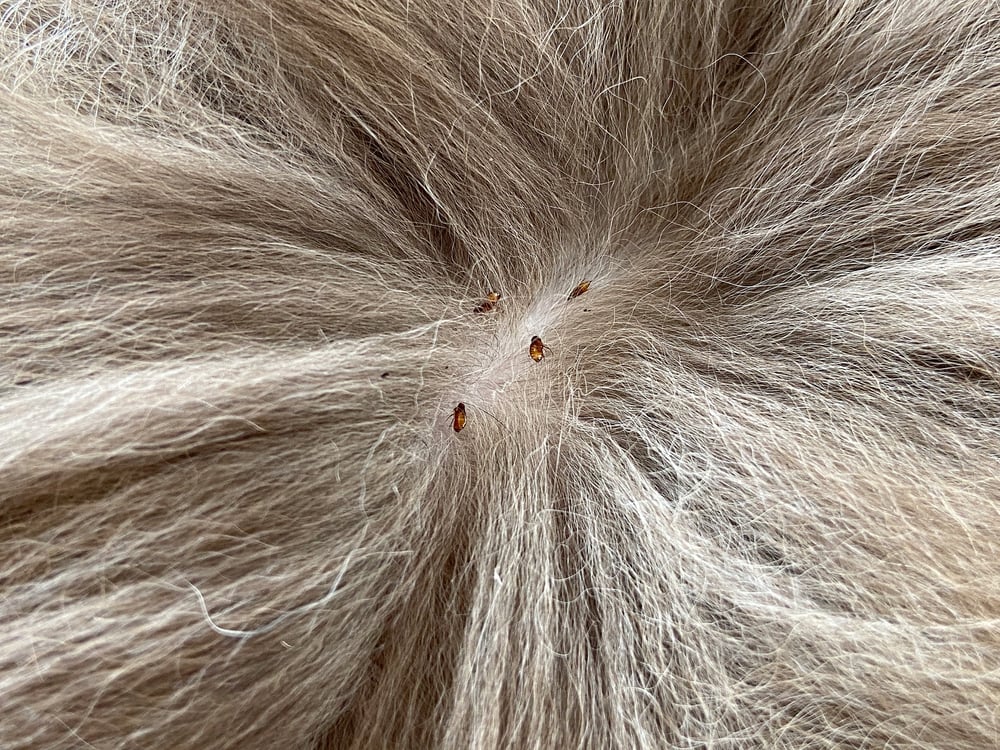
- “Flea Dirt”, Eggs, or Live Fleas: If you notice fleas in your carpet, pet bed, furniture, or yard in any of the stages, an infestation is likely brewing. Even adult fleas are tiny and difficult to identify, but professional Kansas City pest control can thoroughly inspect and identify the most subtle signs of flea activity.
How Professional Pest Control Treats for Full Flea Control
Professional flea, tick, and mosquito control is essential for Kansas City homeowners dealing with flea infestations. Our targeted treatments are designed for both the home and the yard, providing comprehensive protection against fleas now and in the future.
Treating Flea Infestations in the Home
Our expert pest control technicians will identify the causes of recurring flea infestations and treat the problem at its source. Because fleas can persist throughout their life stages, Advantage Termite and Pest Control uses safe and effective treatments that last up to a month, ensuring that both active adult fleas and newly hatched larvae are eliminated before they can continue the infestation.
Treating the Yard for Fleas
Through our dedicated flea, tick, and mosquito control program, Advantage Termite and Pest Control provides long-lasting protection to your outdoor spaces so your pets and people alike can enjoy the yard without worry of fleas.
Advantage Termite and Pest Control: Kansas City’s Trusted Flea Experts
Fleas are a challenging blend of fast-growing, fast-spreading, and difficult to treat effectively. Pet owners can easily get overwhelmed trying to handle fleas that seem to keep coming back despite repeated efforts to get rid of them. If you are struggling to manage flea populations in or around your Kansas City home, contact Advantage Termite and Pest Control for flea control you can count on. Call us at first sight – we do it right!